&
Grace
Power & Grace.
Thank you for this brief. What I kept coming back to was the animals and the colour world they inhabit. This is the work I want to be making. Real creatures alongside beautifully crafted ceramic, shot in an environment that belongs entirely to the bottle.
The pairing is where the beauty lives. The natural movement of these animals, imperfect and unpredictable, is what brings the menagerie to life in camera. A living creature on a crafted ceramic object. That is what I want to make.
is real.
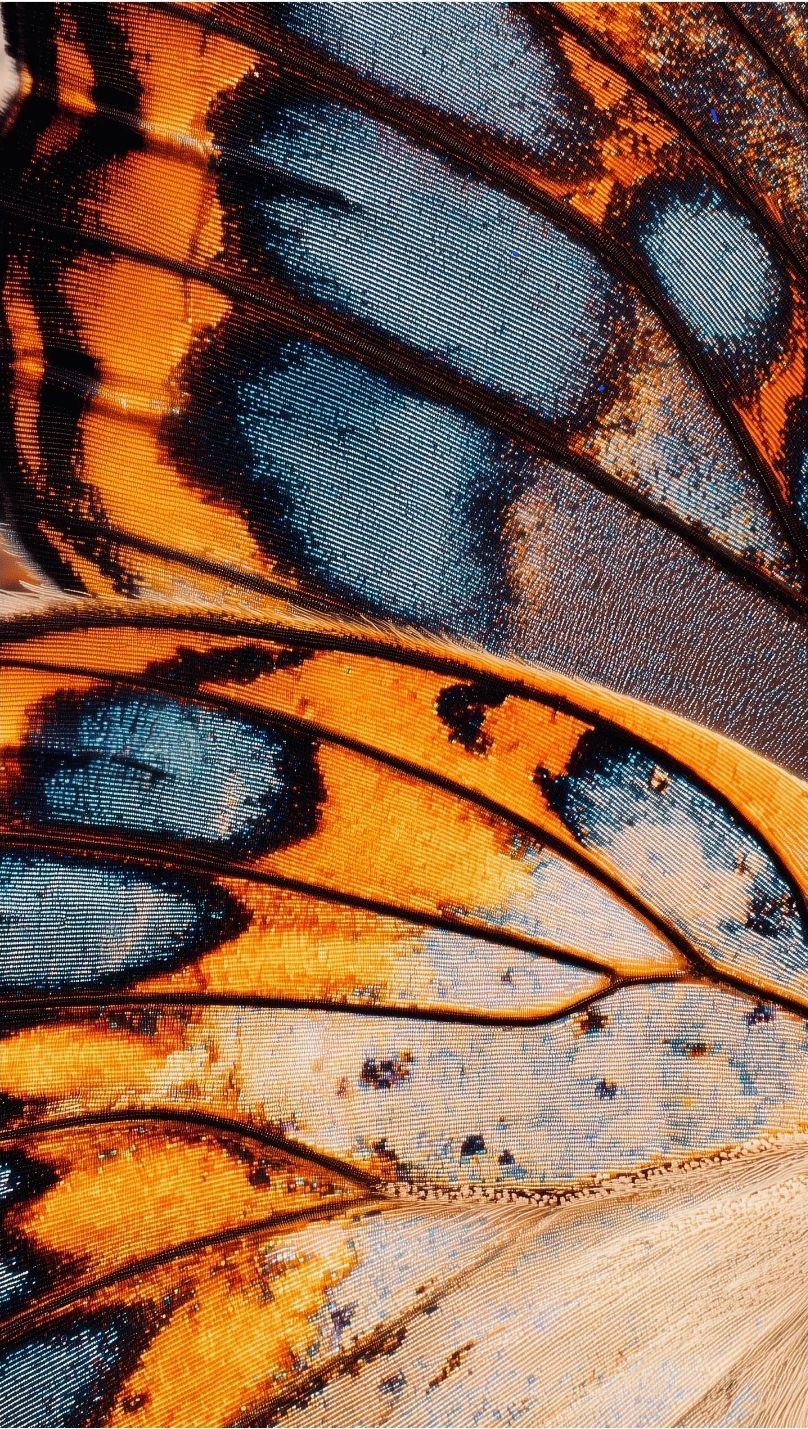
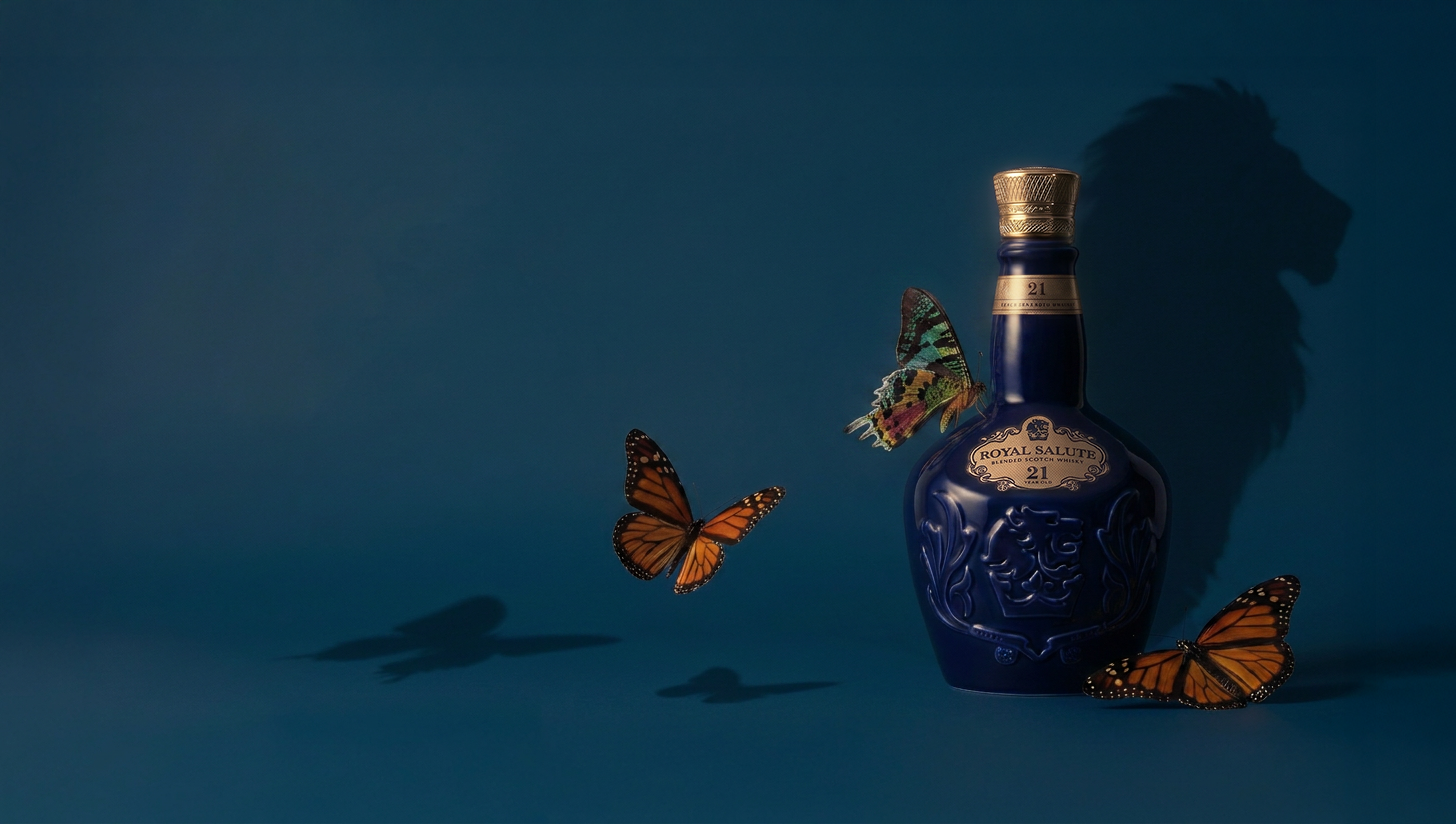
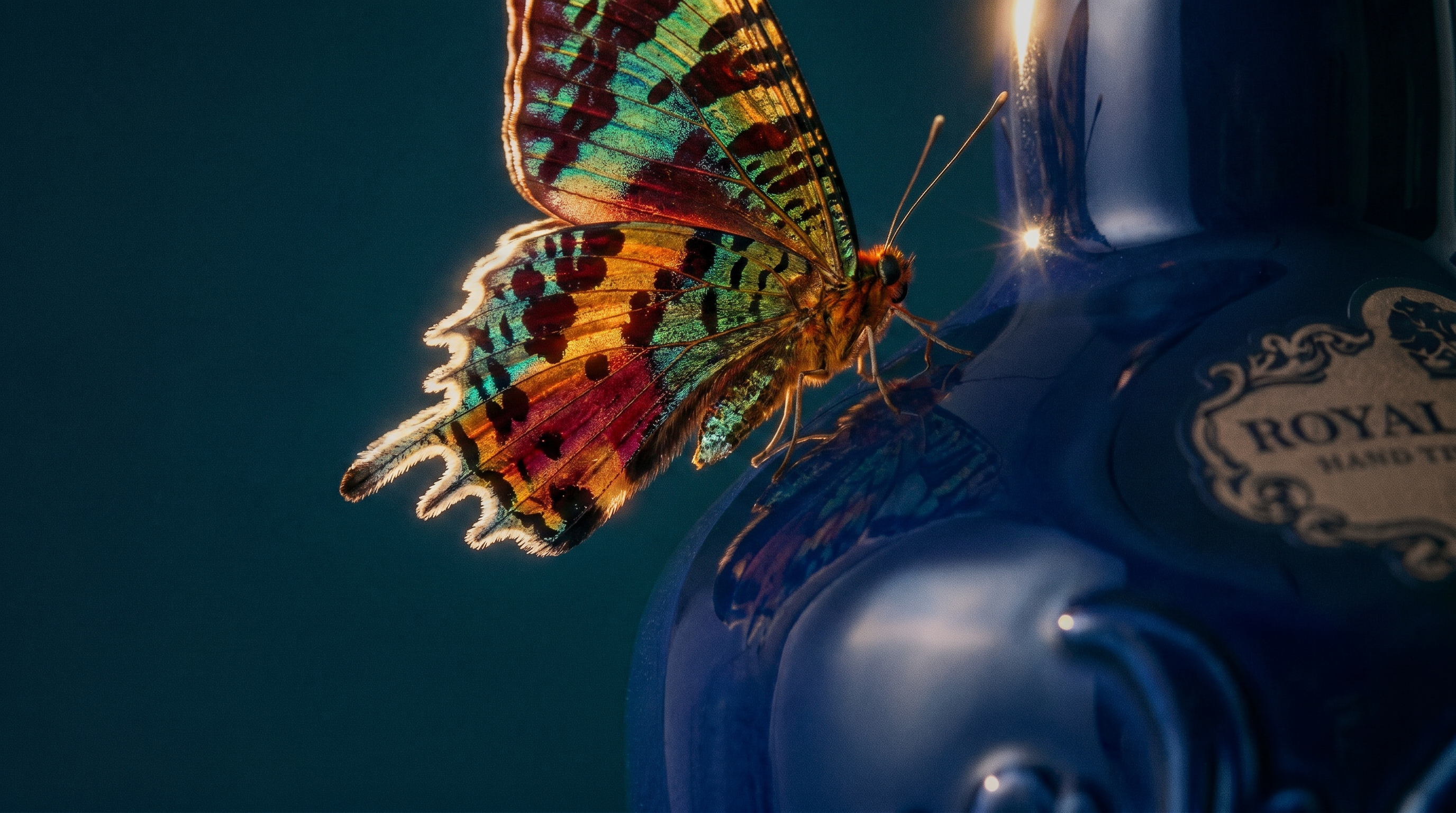
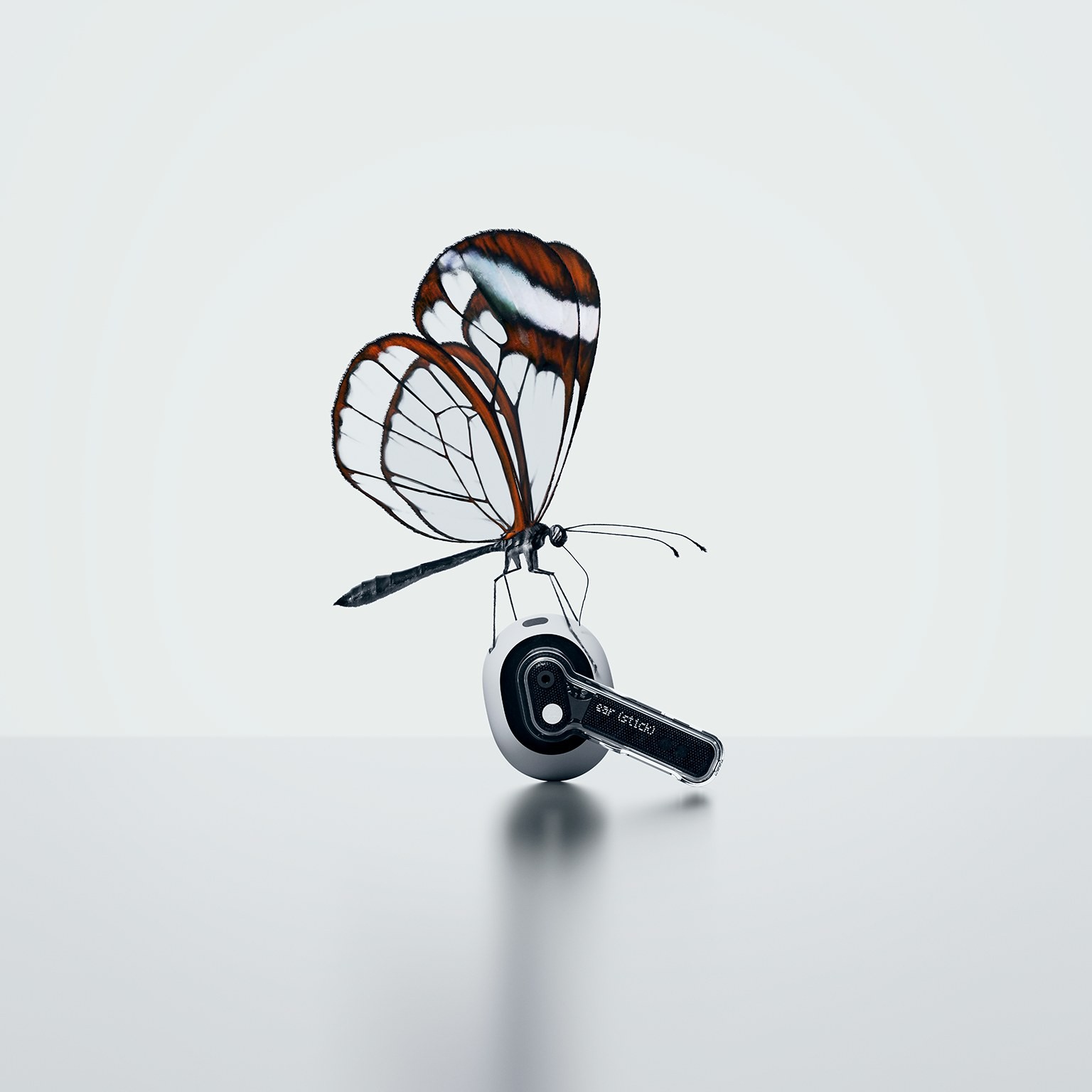
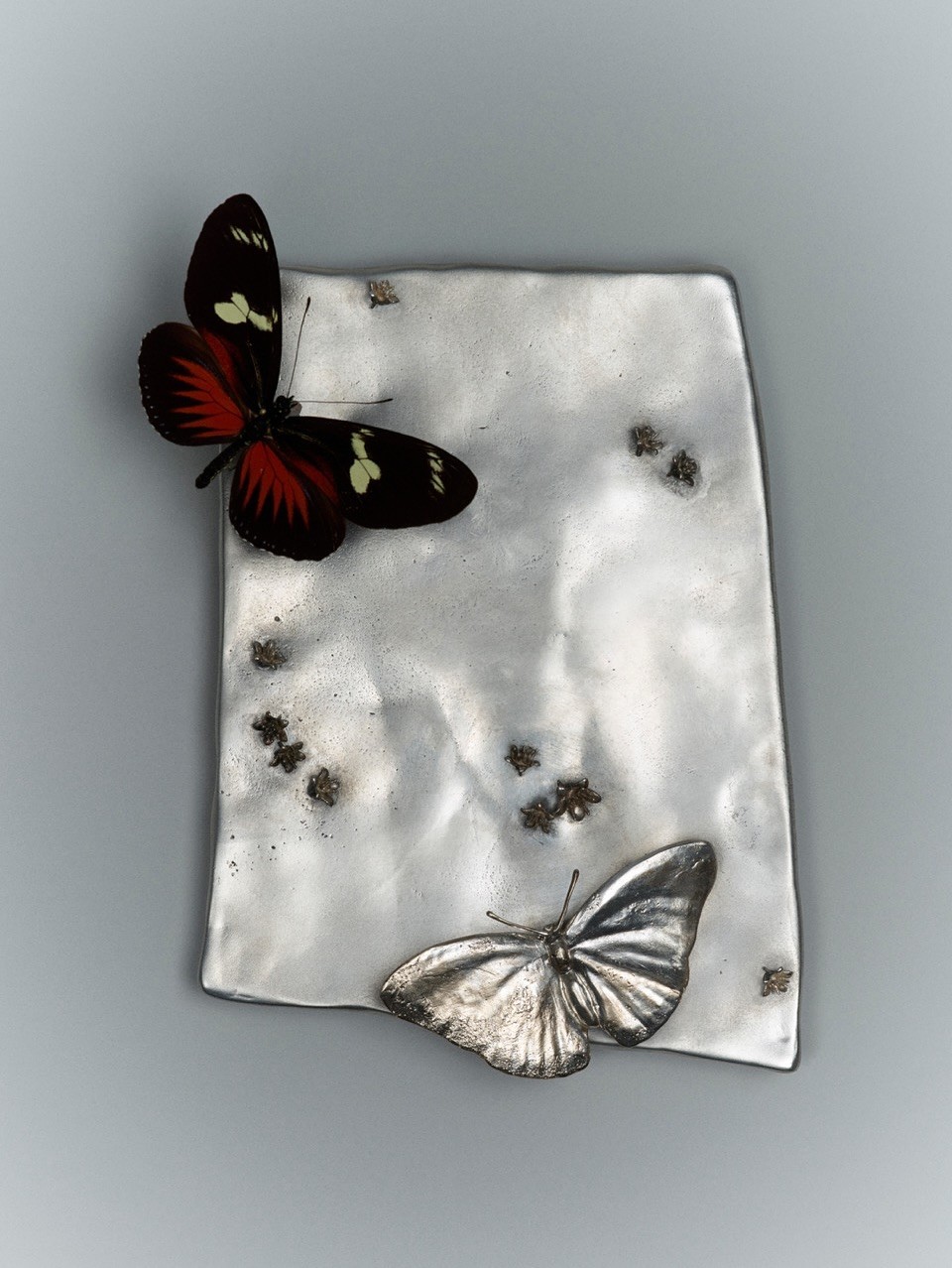
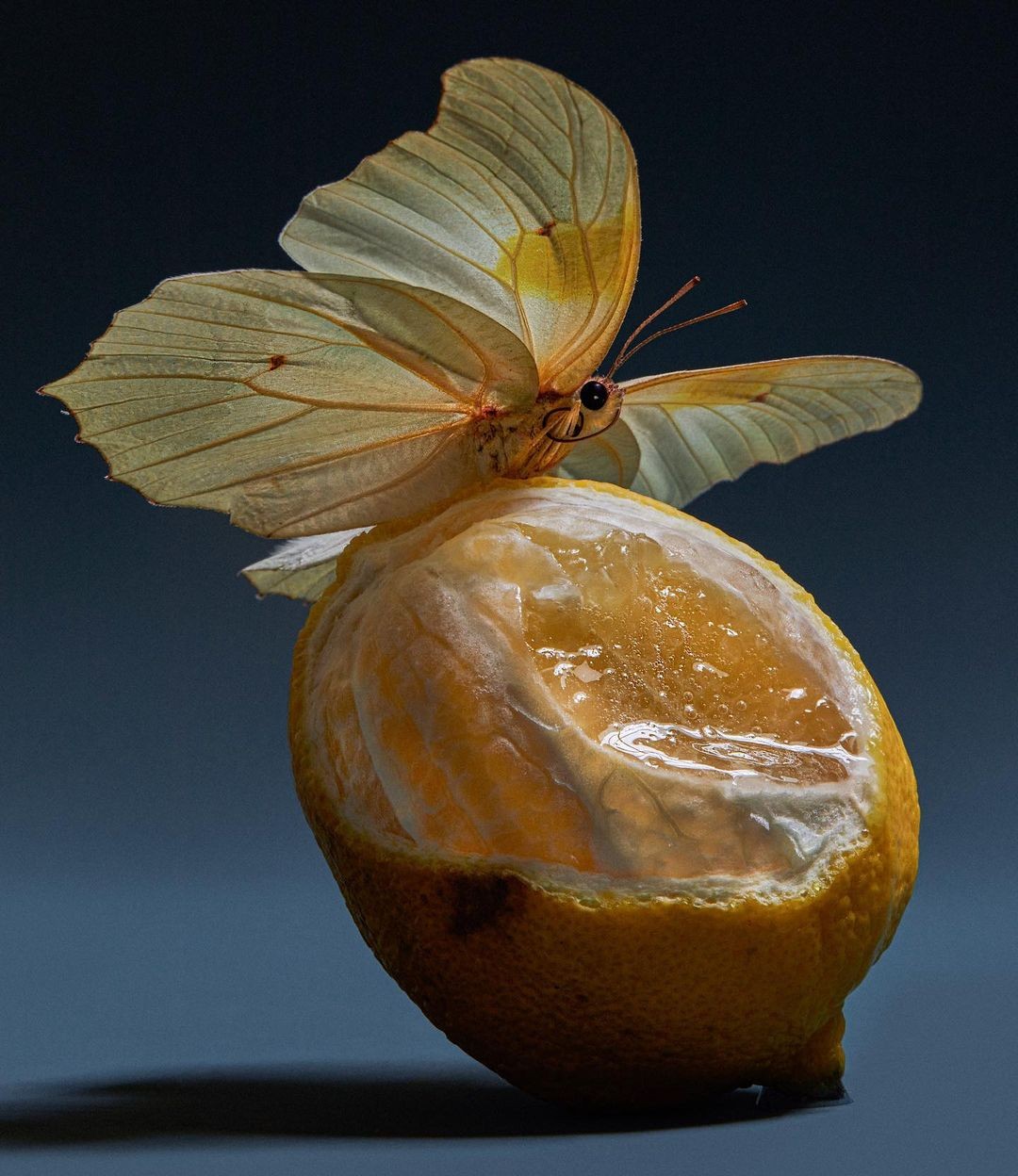
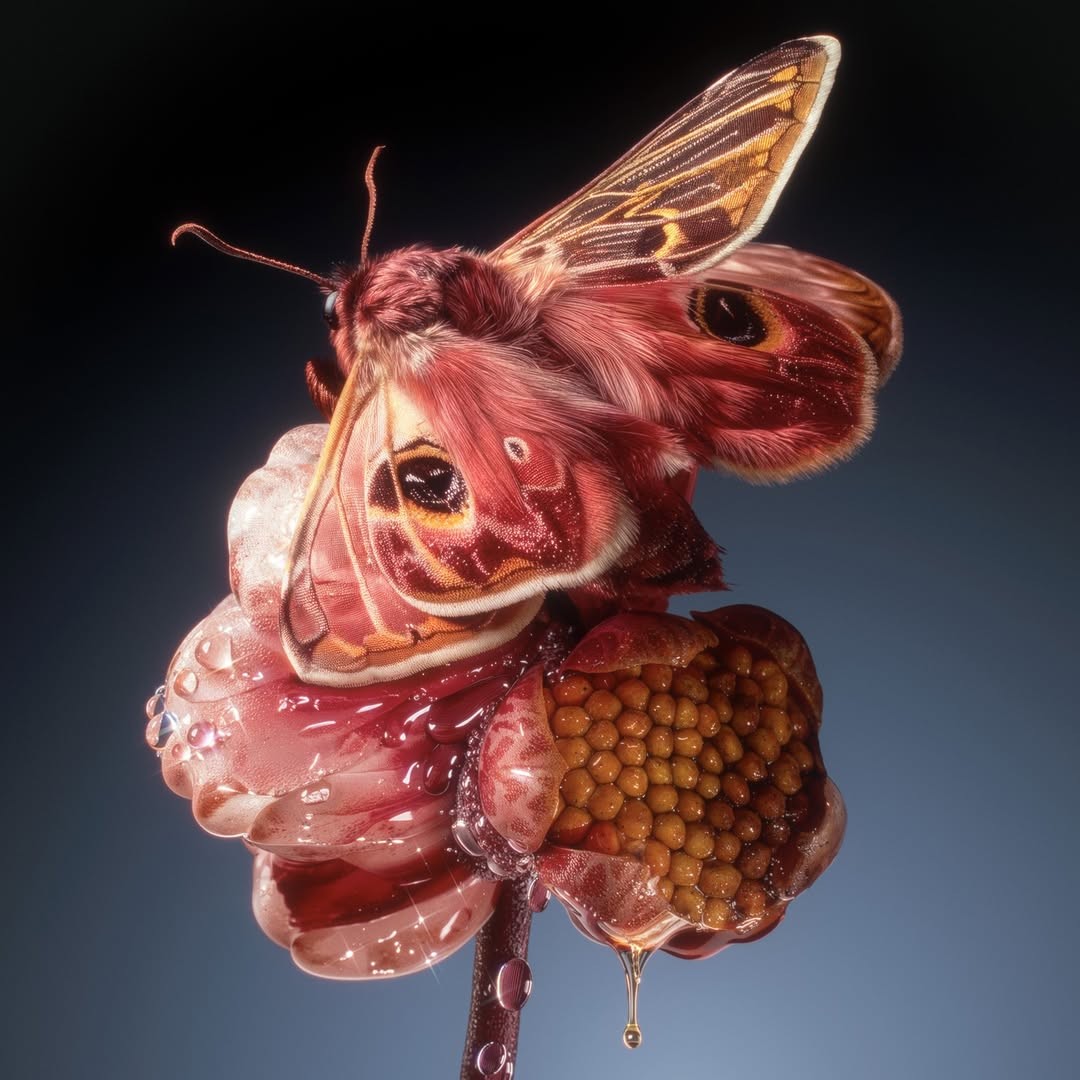
Real small animals: butterflies, finches, exotic birds. Physically present on and around the bottle. A morpho butterfly rests on the bottle neck, wings open toward camera. The iridescent blue echoes the cobalt glass. The encounter is photographed in one frame. You can feel the weight of it.
Camera locked on a prime. Bottle registered and still. The creature brings everything: the life, the movement, the weight of something real in the frame.
as shadow.
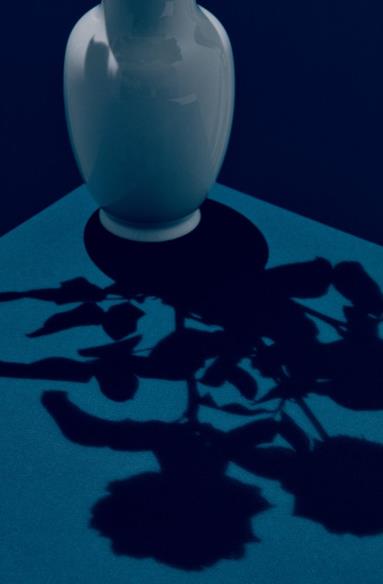
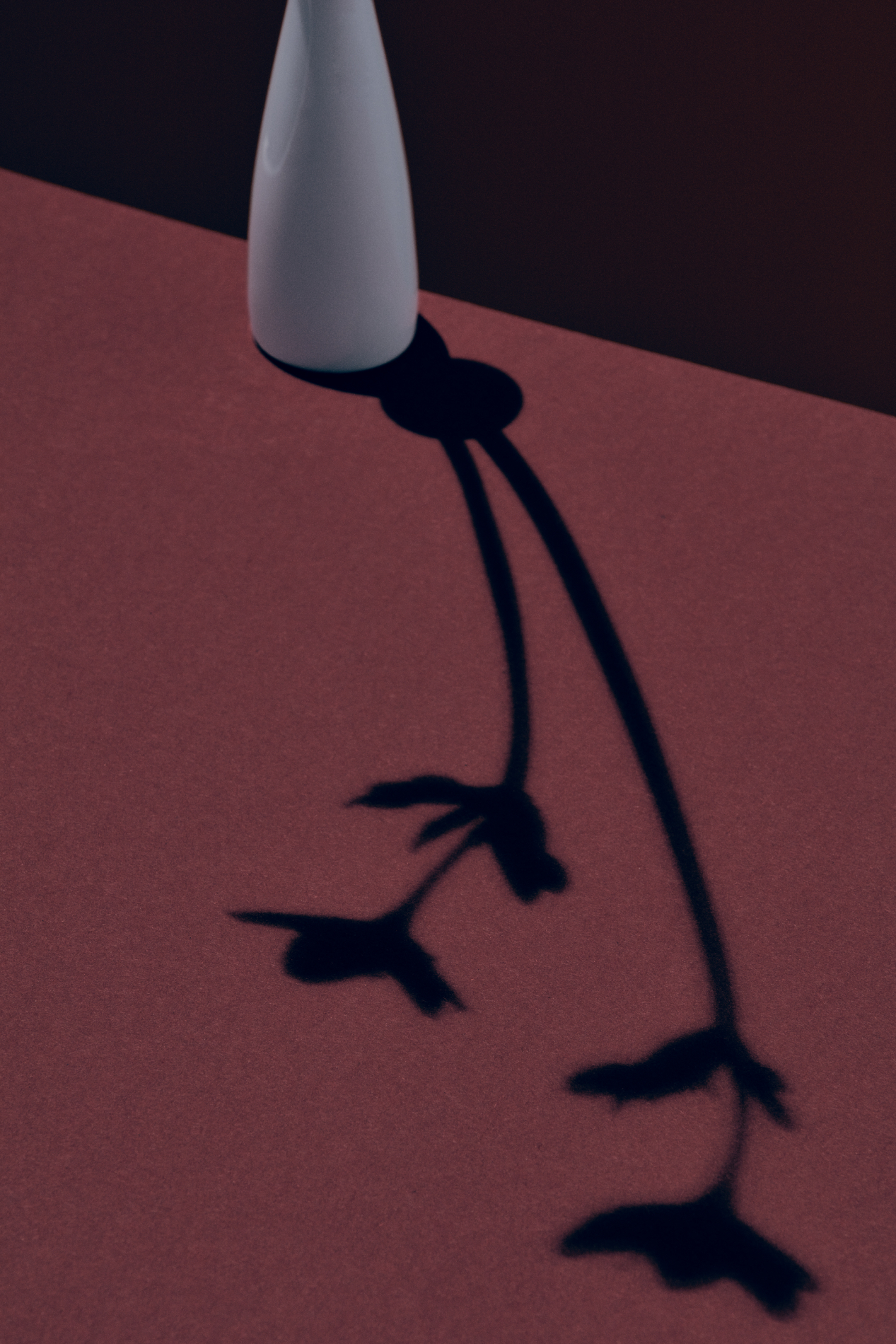
A hard fresnel source through a precision-cut stencil casts the lion onto the surface behind the bottle. The stencil is cut in profile: mane mass, sweep of tail, head angle unmistakably feline. The shot is built on set. One source, one stencil, one frame.
The ceramic bottle takes hard light well. The relief carving reads cleanly. The metallic stopper catches and throws it back. Matte ceramic, polished metal, projected shadow. One source does all of it.
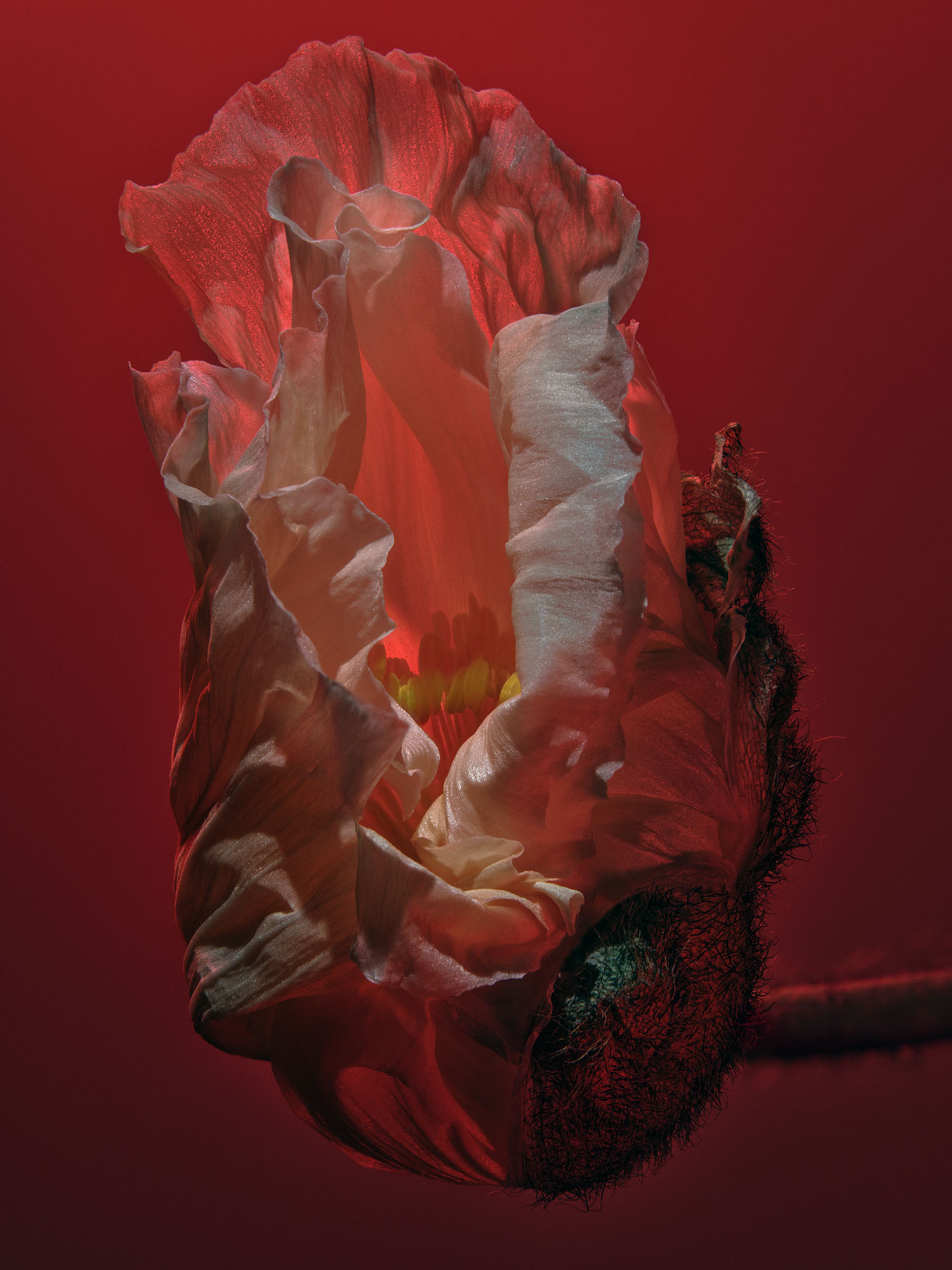
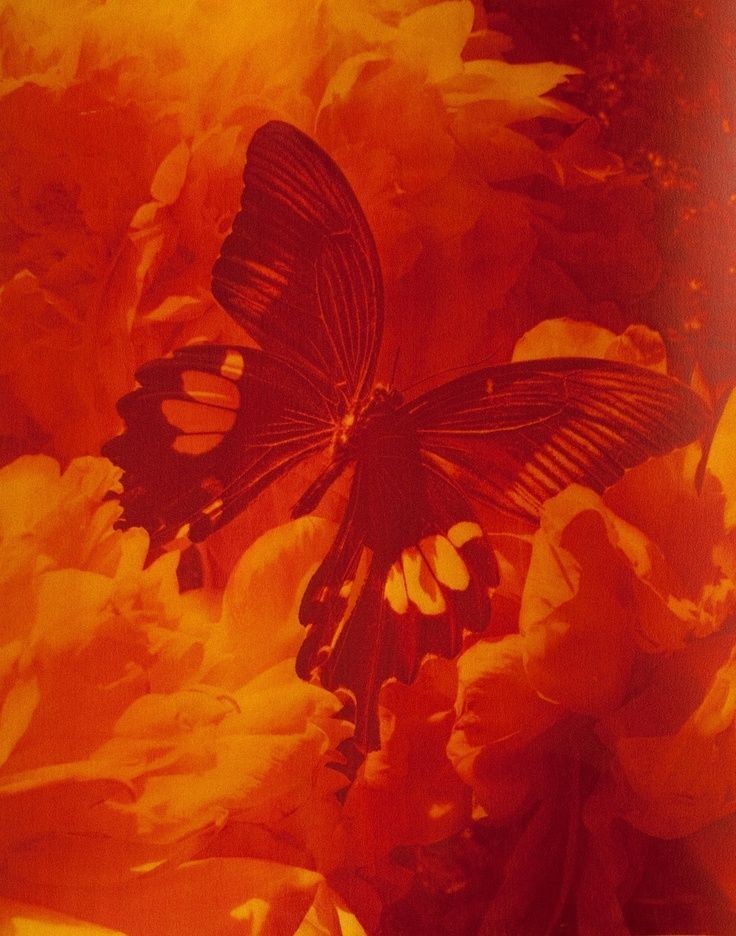
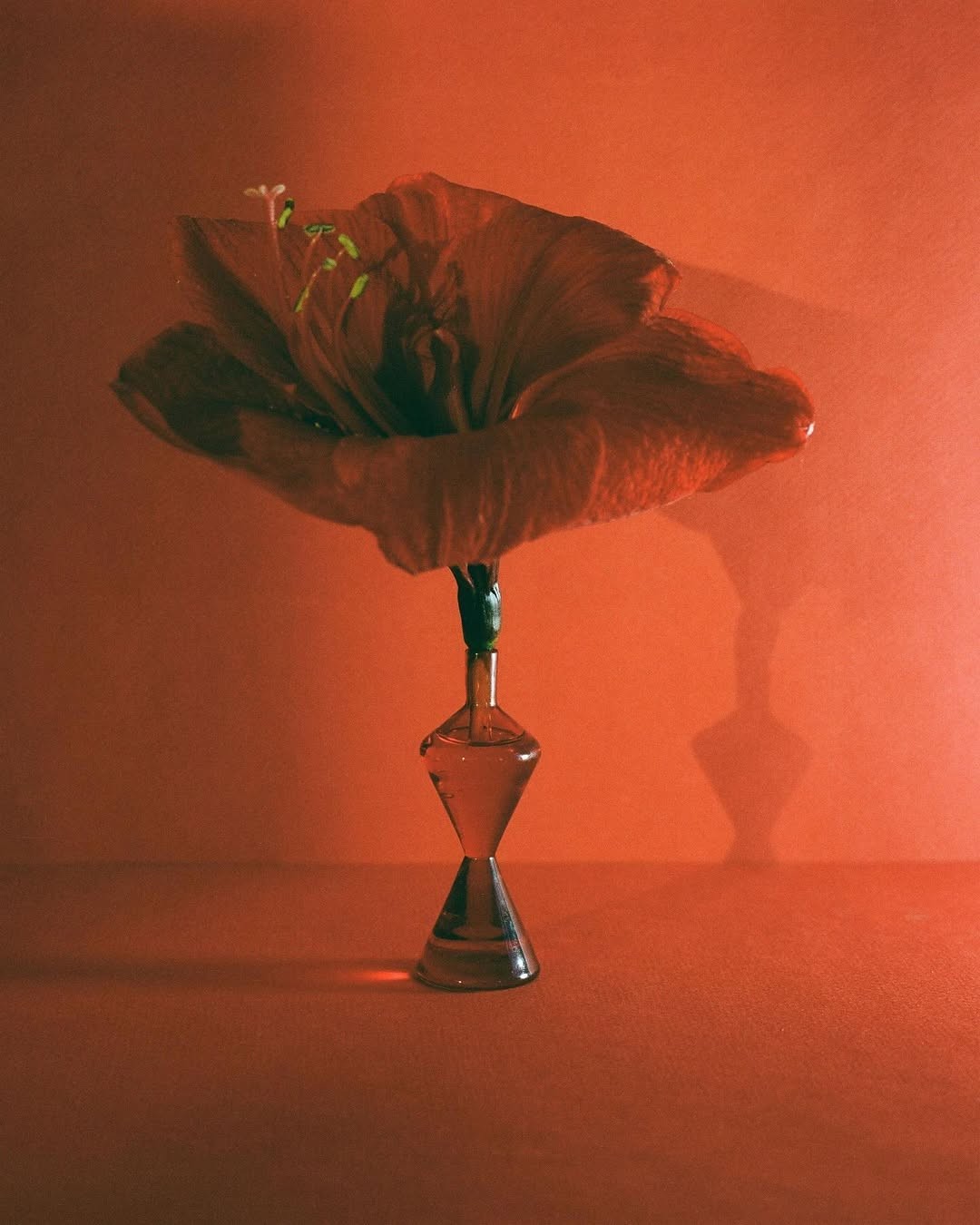
in-studio.
Two days in a UK studio. Day one is the living menagerie. A seamless curve of matt, tonally saturated backdrop, colour-matched to the cobalt of the bottle. The colour field is the set. No props, no surface dressing. Clean space, deep atmosphere. The same ground that holds a ladybird holds a lion.
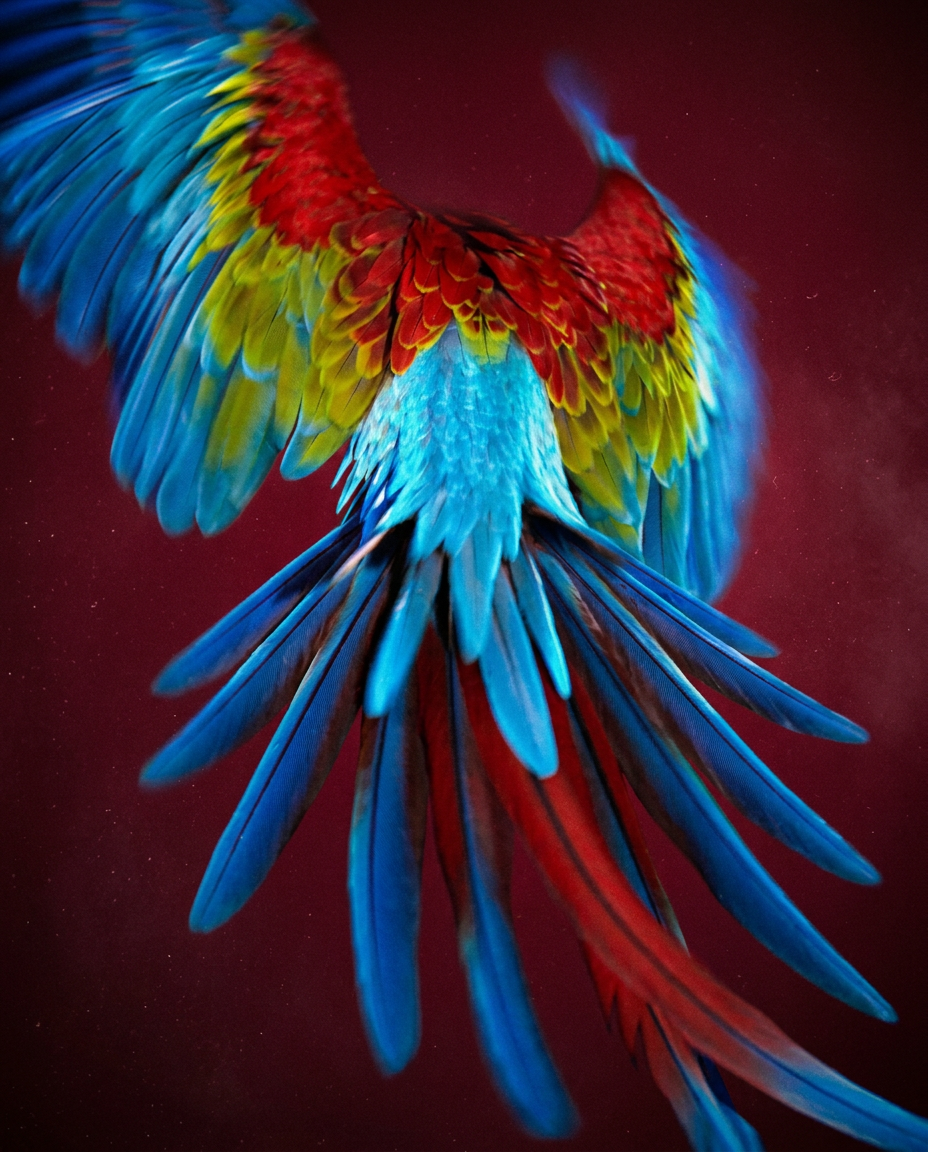
A single source sculpts the whole scene. One logic of light across bottle and creature. The animals are the focus. The translucency of a wing, the plumage of a bird. That's what this room is for.
Not placed.
The creatures sit on the bottle. They interact with it directly. Butterfly on the neck, dragonfly on the shoulder, birds perched at the stopper. Real animals on a crafted ceramic monolith.
The lion is the exception. For the key visual still, it doesn't arrive in the room. Its shadow does. A hard fresnel through a precision-cut stencil throws the lion's profile across the field behind the bottle. The mane, unmistakably feline. The bottle sits straight on, centred. The lion is implied. Shadow for the still. Paw for the film.
Everything
else moves.
The bottle sits locked in set. Stable and bold. The creatures and camera move around it. Motion control for precise moves. Handheld for the intimate ones. Slow pushes, controlled wides. The bottle stays centred for 9:16 and social cuts.
The movement comes from four things: the camera pushing in, the angle changes, the creatures arriving, the cut between them. The bottle stays still. Everything around it lives because of that.
is the set.
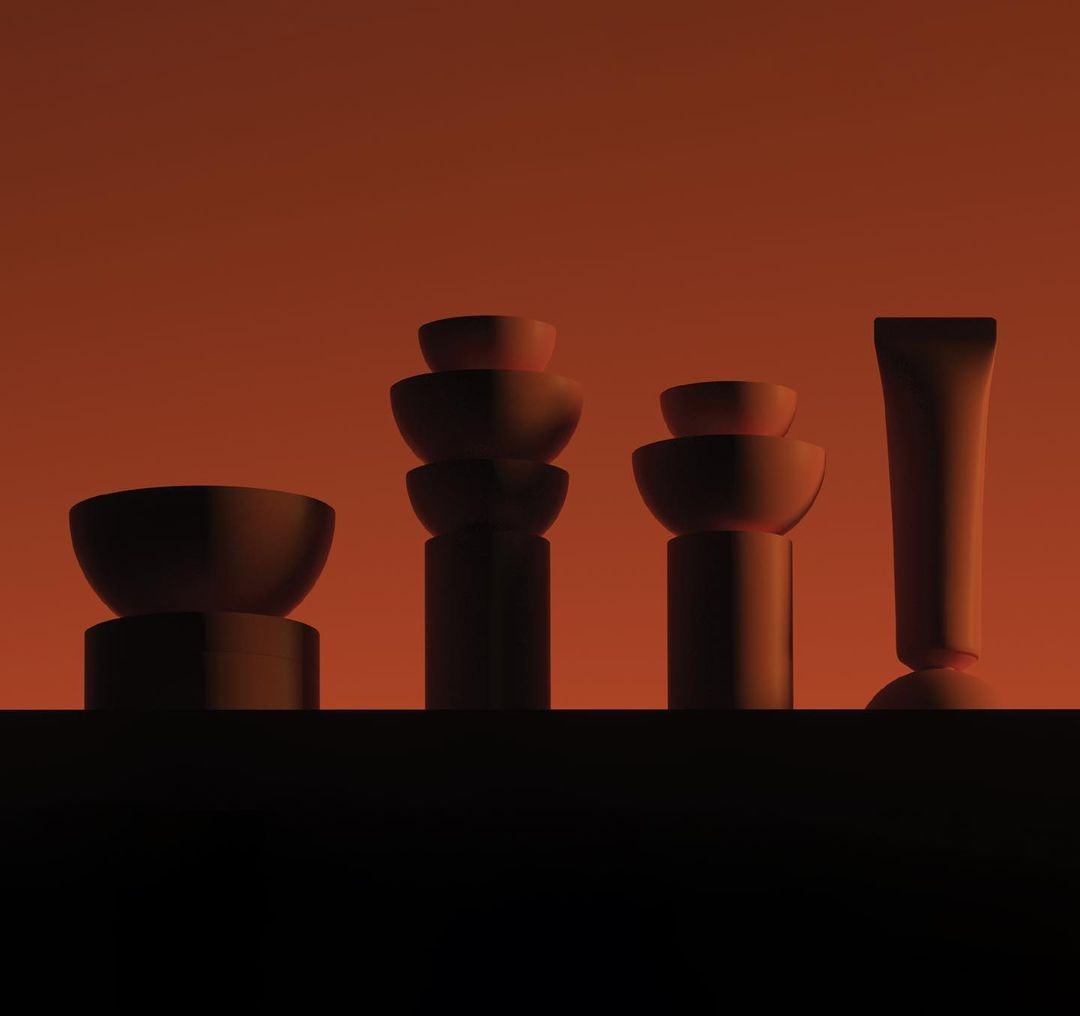
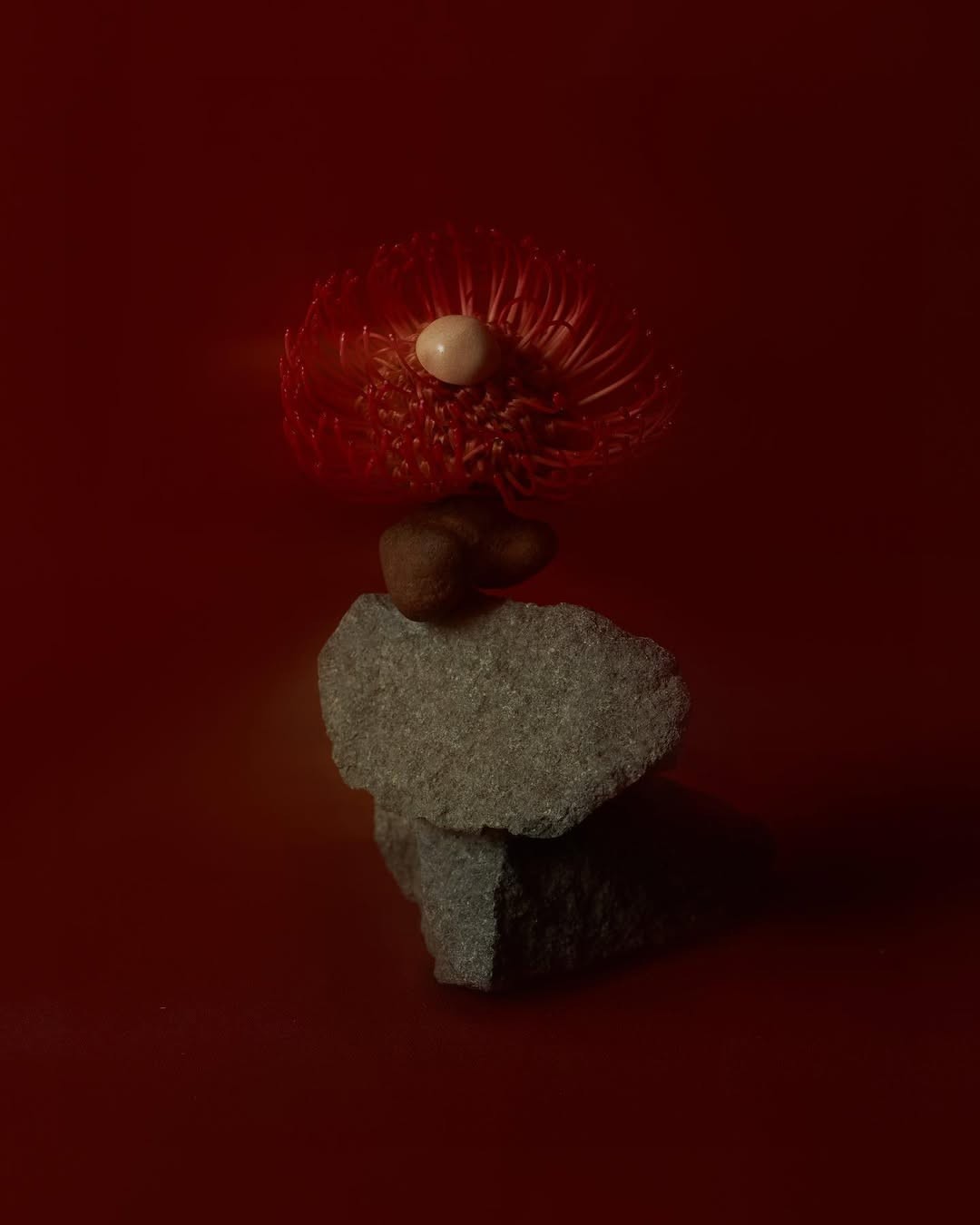
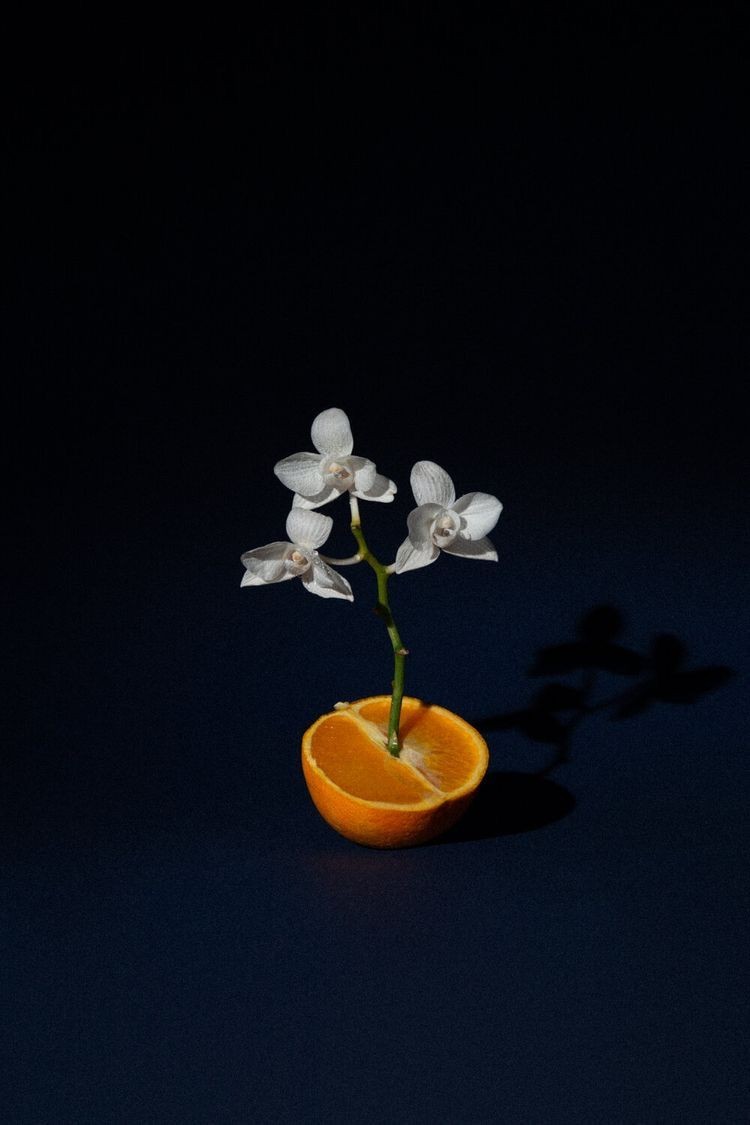
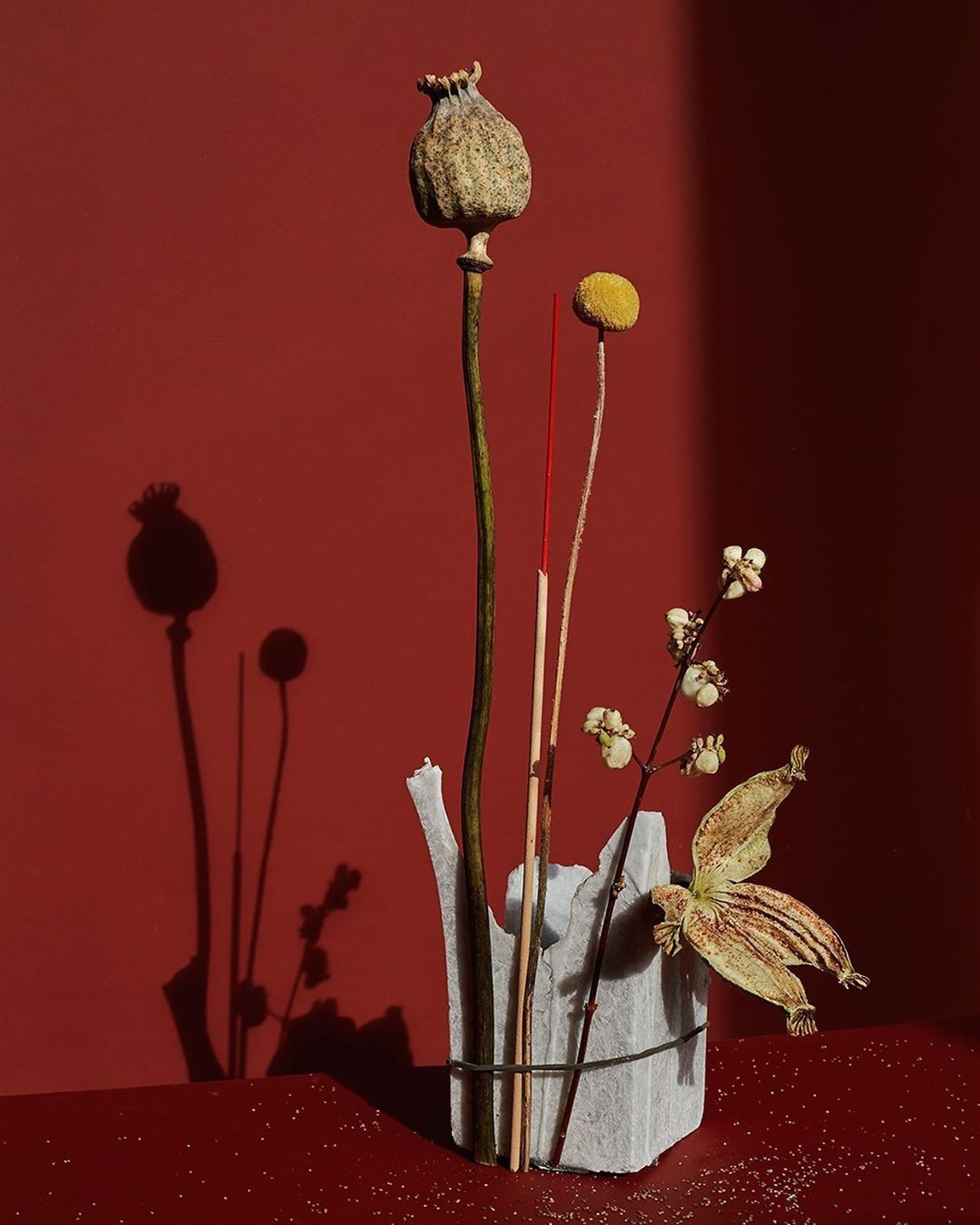
Single hard source, low angle. Clean light, minimal gradation. One strong shadow. Cobalt against warm ground.
Deep red or deep blue. Colour on colour. The bottle interrupts the warmth or dissolves into the cobalt.
the light.
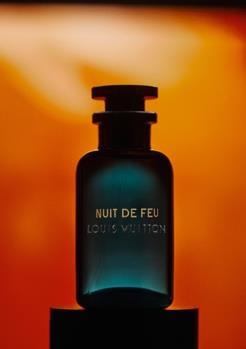
On a warm pale surface, a shadow reads dark against light. On cobalt, that logic inverts. The lion silhouette is backlit. A hard source bleaches the deep ground locally, creating a luminous animal form that glows out of the darkness. The creature doesn't darken the world. It illuminates it.
Single key source from above. Fill from beneath via reflector to bring the liquid to life. Bottle on its own circuit throughout. Never contaminated by creature light.
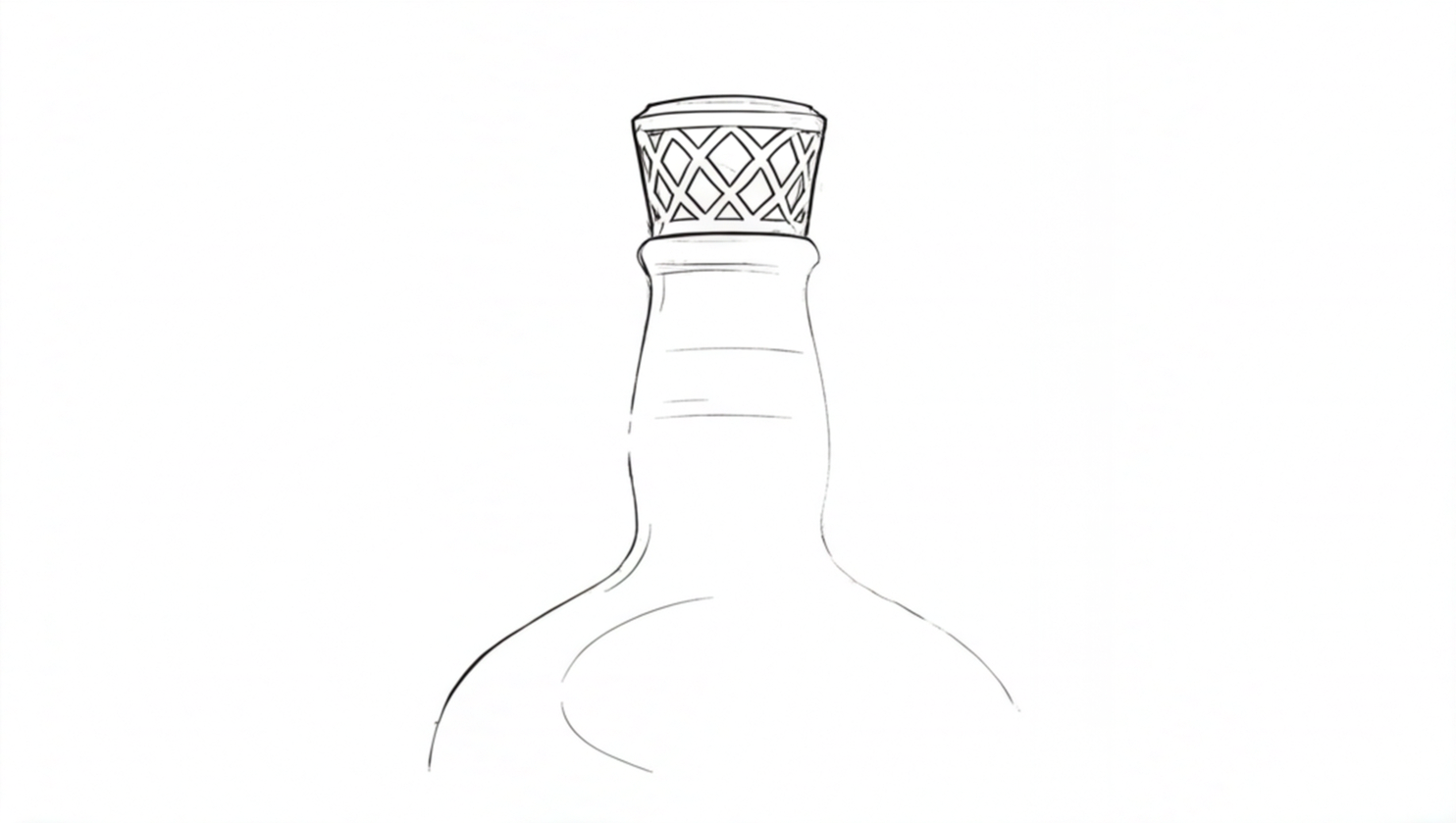
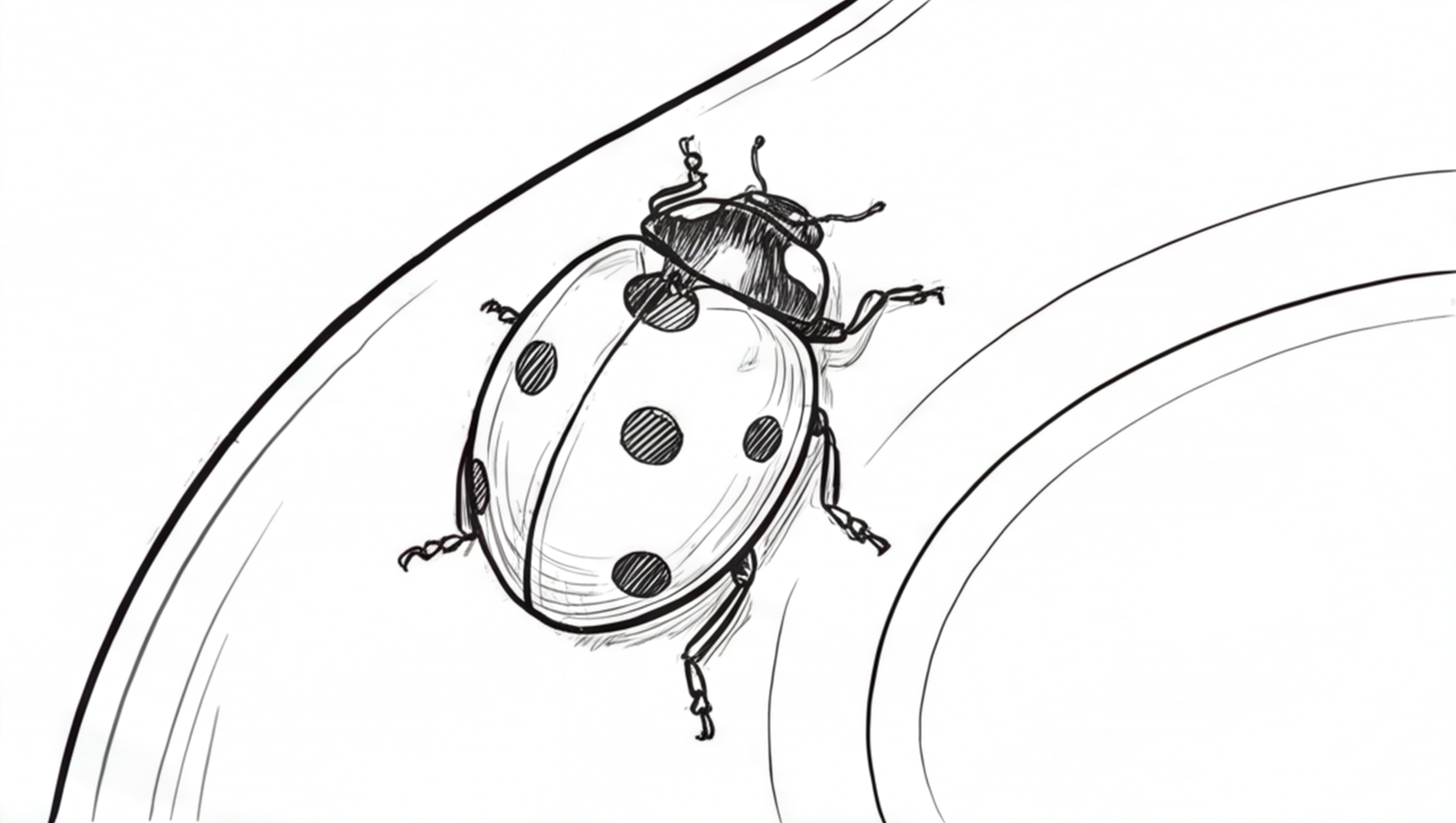
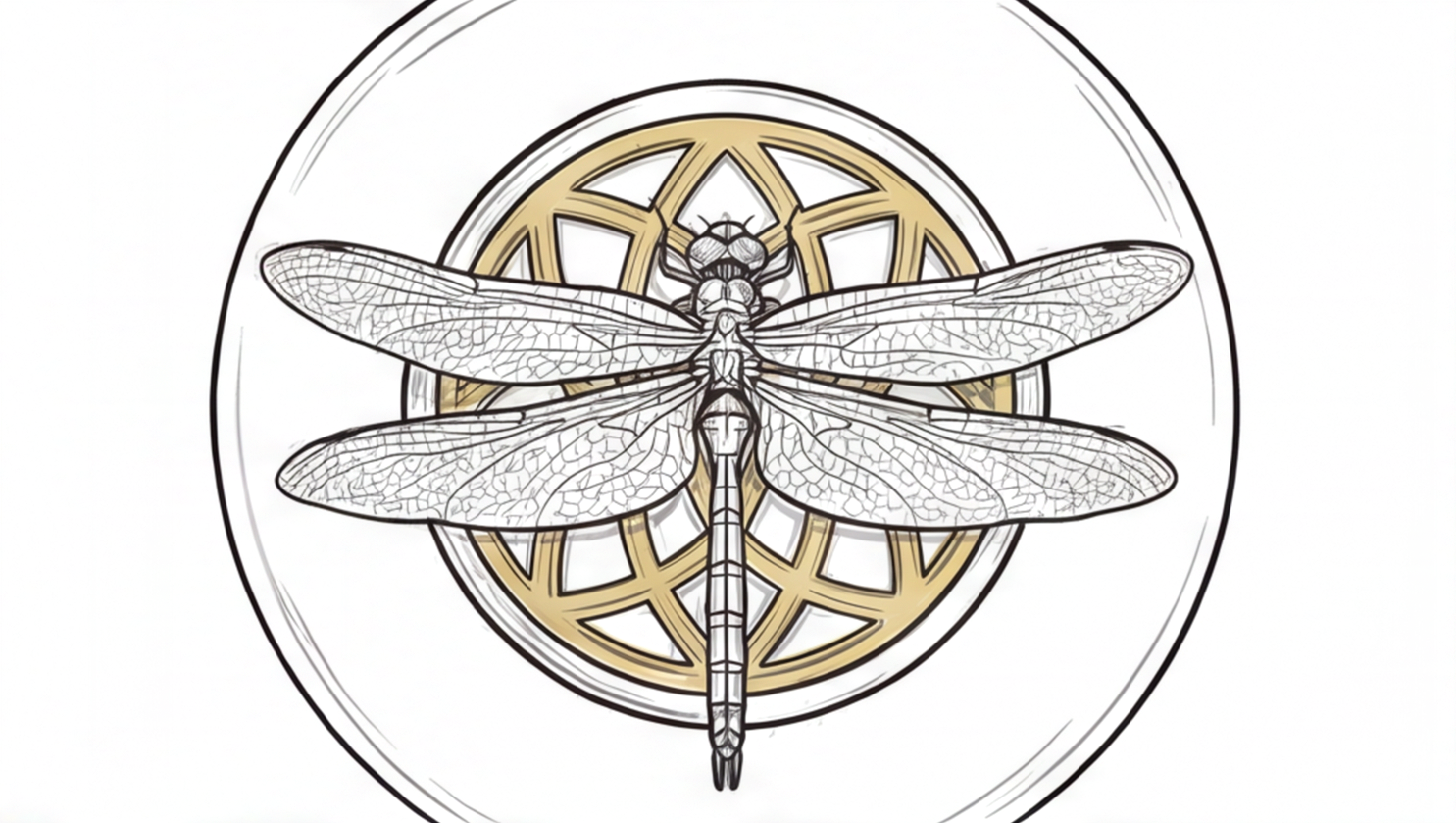
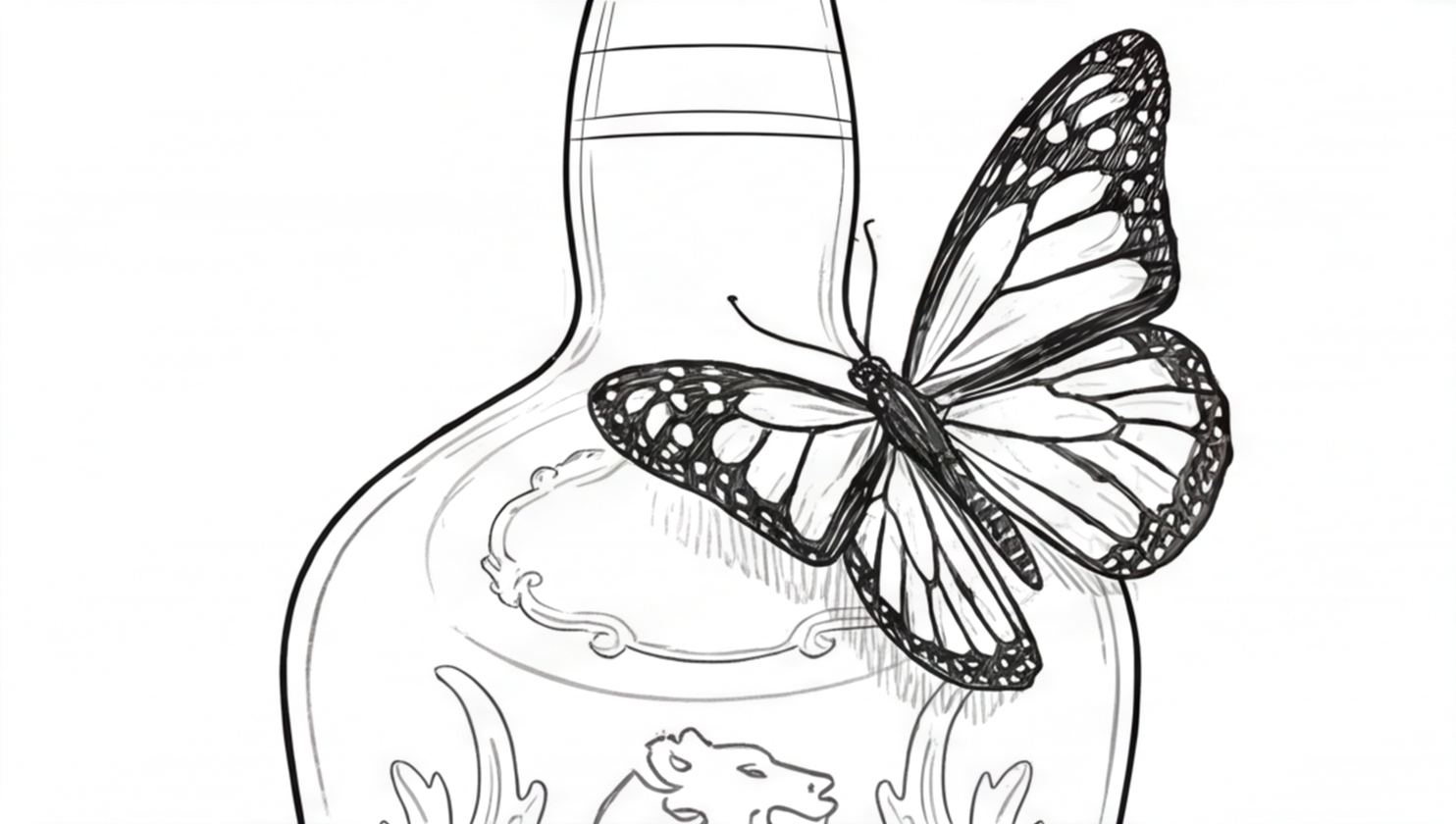
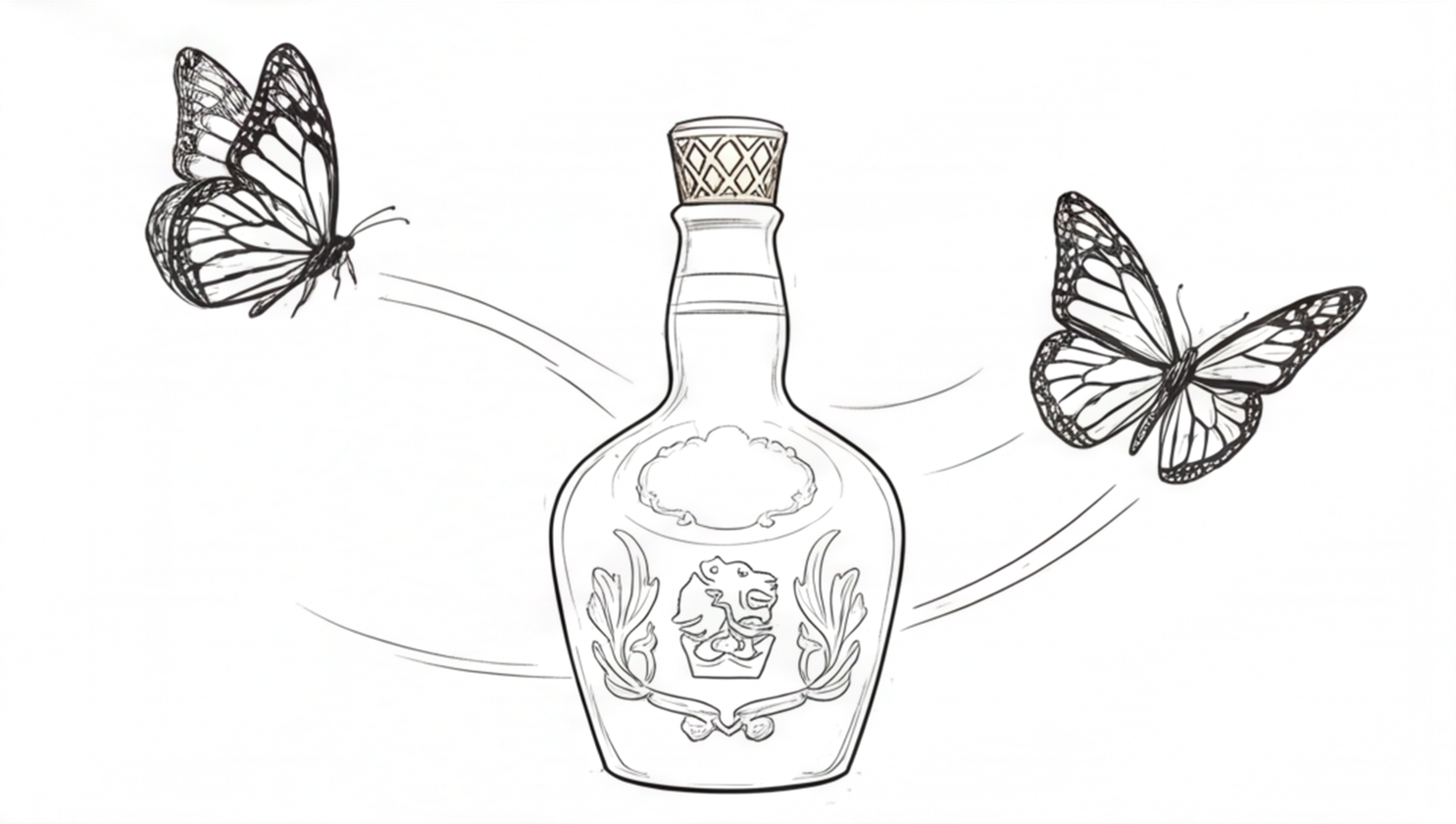
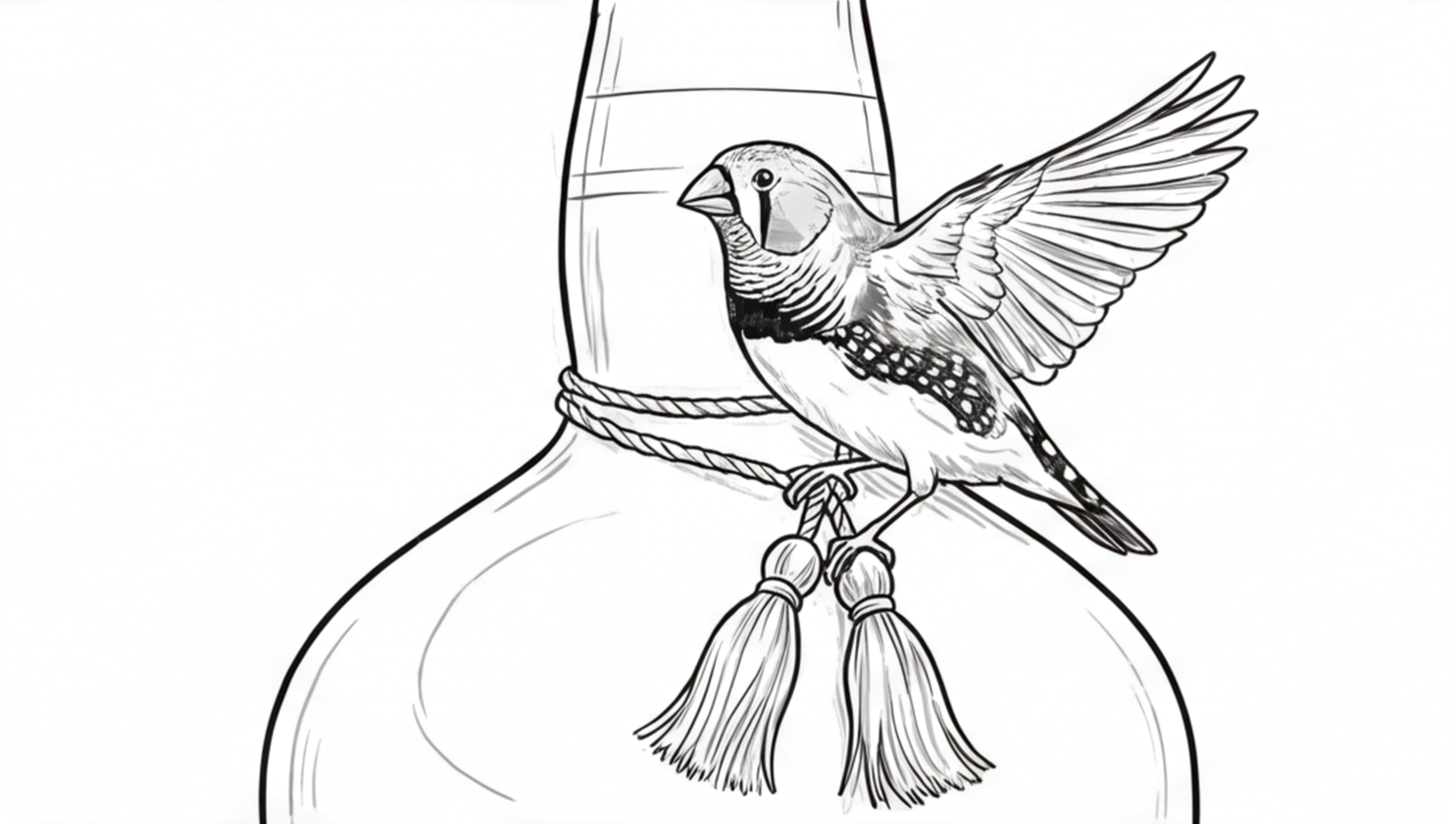
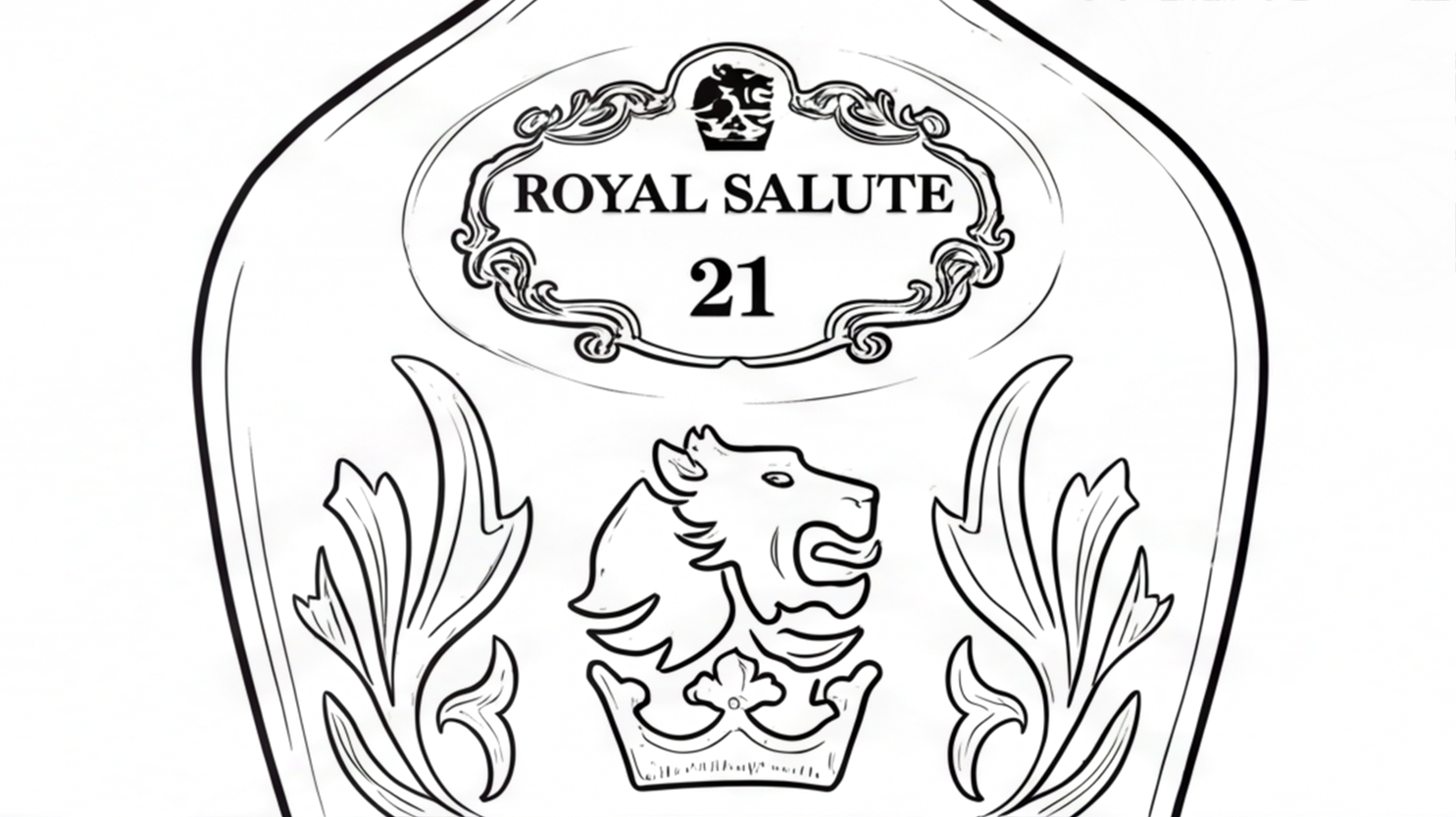
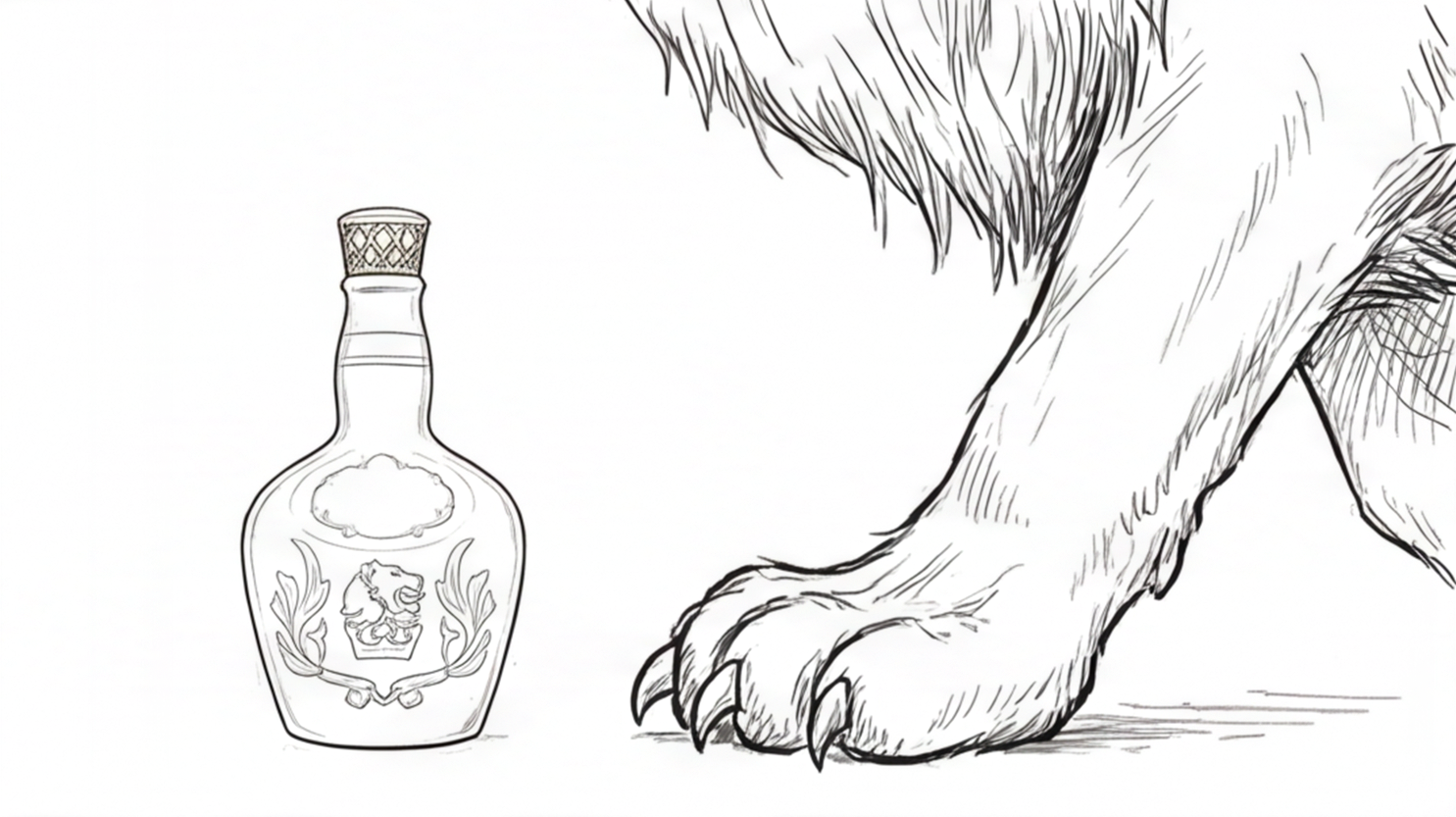
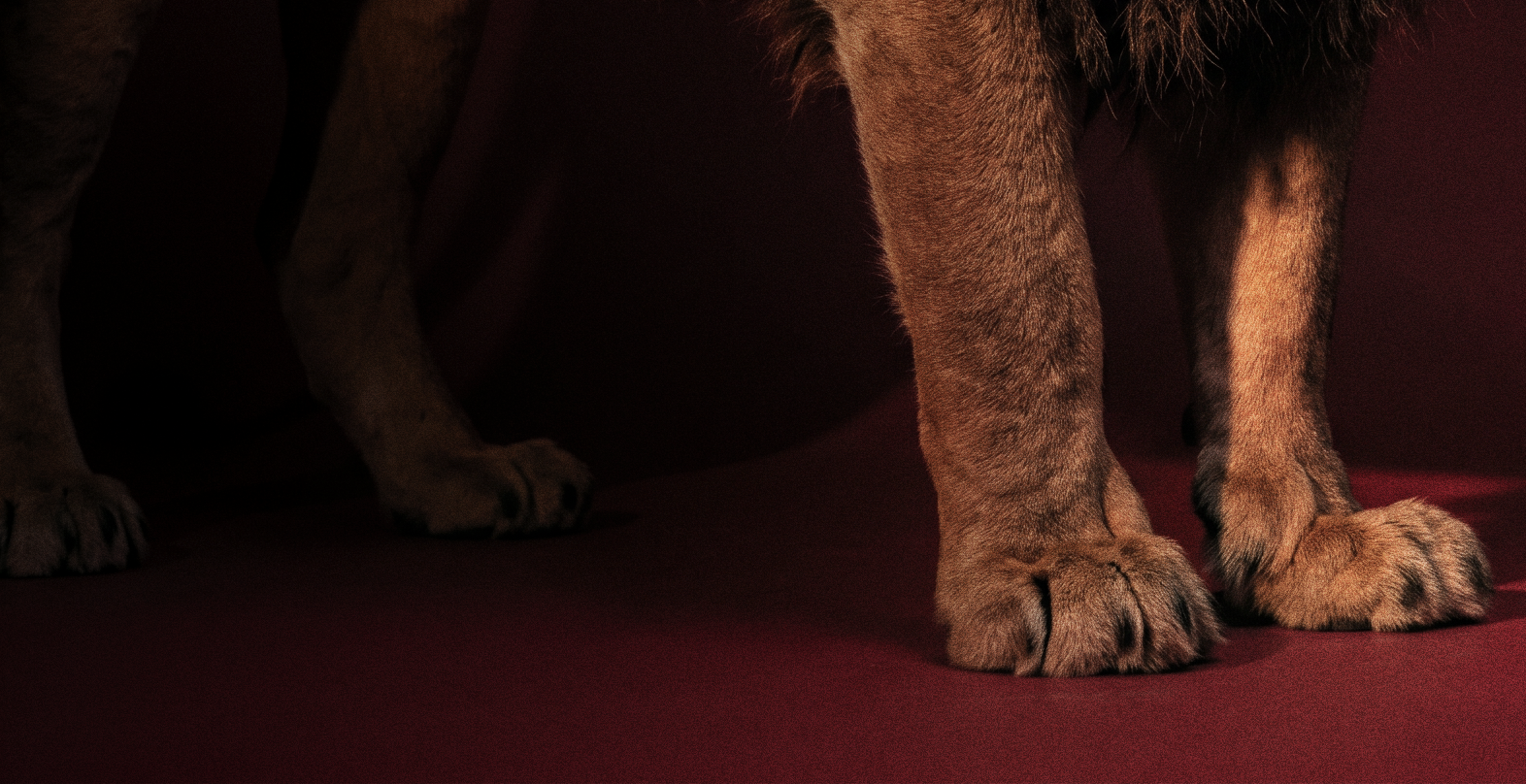
for stills.
Paw for film.
For the key visual still, a precision-cut stencil does the work. A hard fresnel casts the lion’s profile onto the backdrop behind the bottle. Mane mass, sweep of tail, head angle unmistakably feline. Built in-camera on set. The other creatures sit physically on the bottle. Butterfly, dragonfly, birds. The lion alone arrives as shadow. That’s the hero frame.
For the film, the lion arrives differently. A taxidermy paw is photographed on set. Multiple angles, multiple lighting setups. That photographic asset is the base. AI animates the movement from the real frame. The geometry, the fur, the light are already captured.
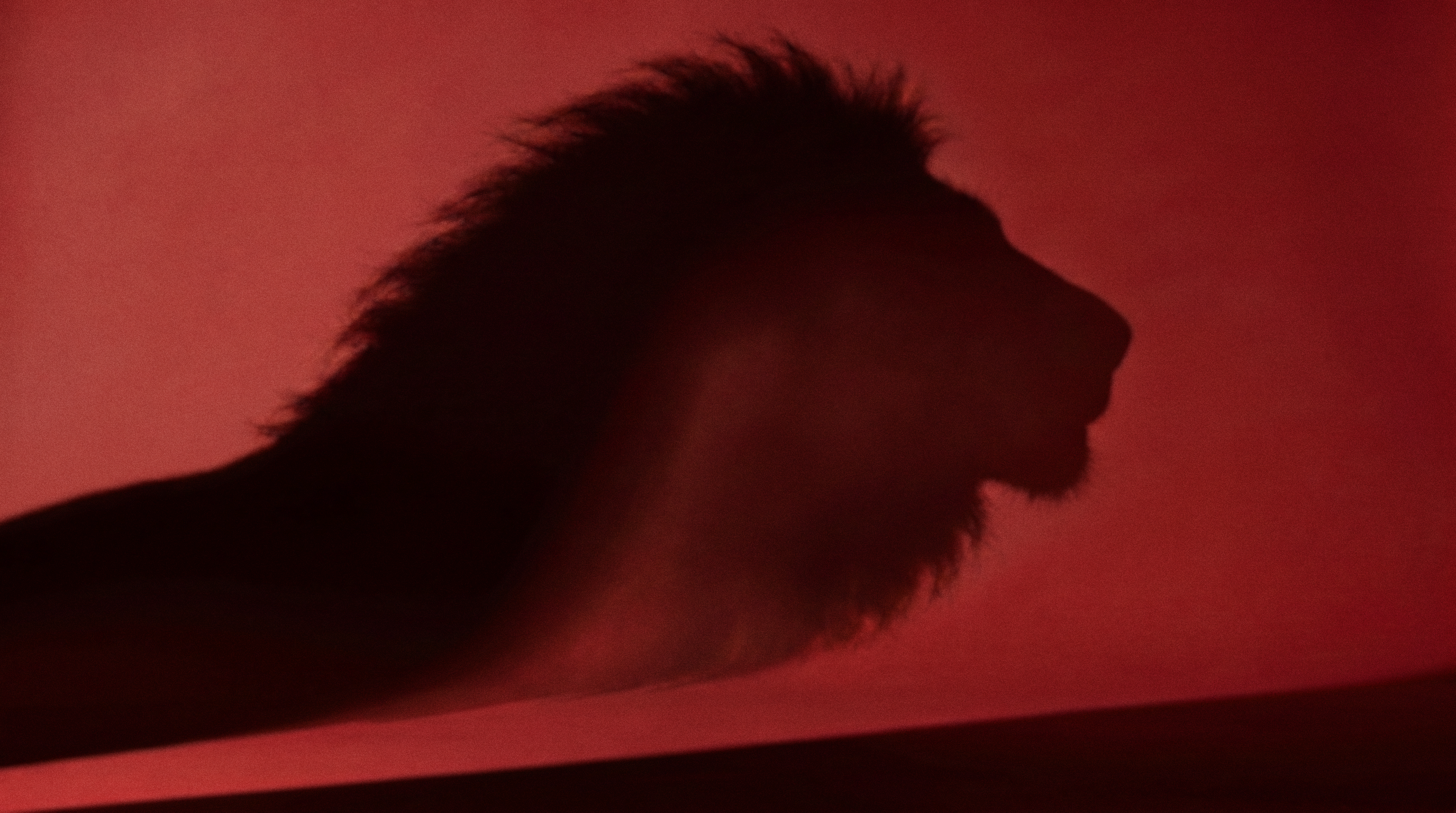
A precision-cut stencil is placed in front of a hard fresnel source. The lion's profile, mane mass, head angle, sweep of tail, is projected directly onto the field behind the bottle. The shadow is captured in-camera on set.
In post, the detail is refined. The fur outline is sharpened for large format. The in-camera capture carries the frame.
needs it.
Real everywhere
else.
A second route. Real animals, real glass, captured in camera on set. Those frames are animated in post from the real photographic asset. The quality of the final frame comes from the photography.
What you're watching is a concept visualization. Pure generated imagery. The pipeline I'm proposing is different. Real animals, real light, real glass, shot in camera. Those frames go into the animation. The geometry, fur and light are already captured in the room before anything is animated.
The bottle never goes near a model. Before any frame enters the animation pipeline, the product is replaced with a neutral stand-in of the same geometry. Label, branding, all of it masked. The original in-camera photography of the real bottle is composited back in post. The only things AI touches are the things that need to move: creature, paw, atmosphere. The product stays clean.
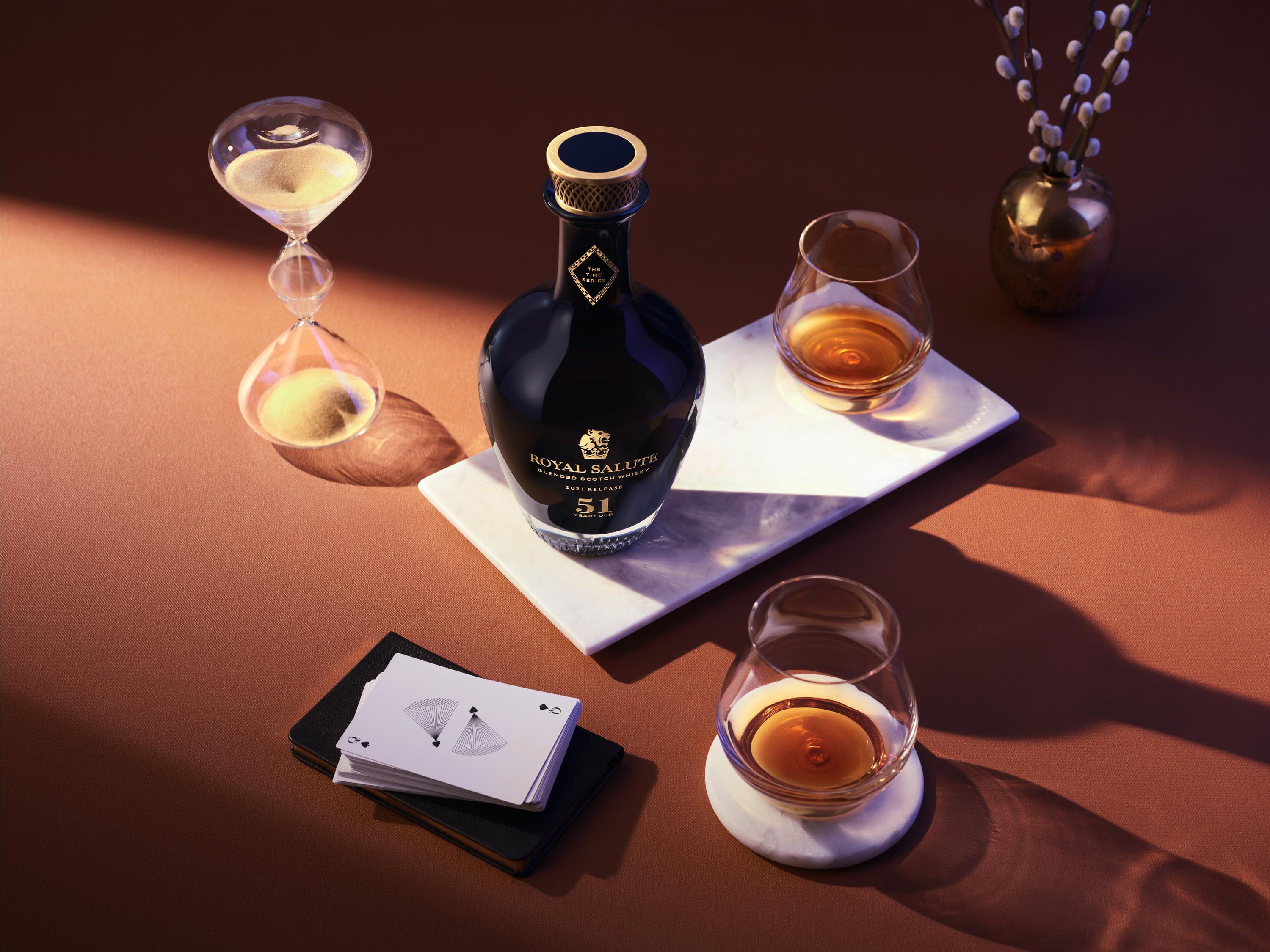
this bottle.
Let's go
somewhere new.
I've shot Royal Salute before. I know how cobalt glass holds light: how it refracts rather than reflects, how the base pools and the stopper catches. That physical knowledge is already in my hands. This brief asks something different: take everything I know about this material and move it somewhere the brand hasn't been.
I've been working with in-camera motion for years. Real shoots, real light, real creatures. That's the foundation. For the lion and the paw, I composite in post from real photographic assets. The starting point is always something shot in front of a camera.
I'd bring a DoP and set designer from luxury fashion and beauty. Proposing Annette Masterman or Hana La Said. Both know this work.
Source frame shot on set. The paw animated from that frame in post, then composited back onto the live scene. Texture, fur and light come from the original capture.
The workflow starts from a real photographic still and animates what's already in the frame. Movement generated from real geometry, real fur, real light. The composite drops onto the in-camera scene. The lighting matches because the source was shot on the same set.
You.